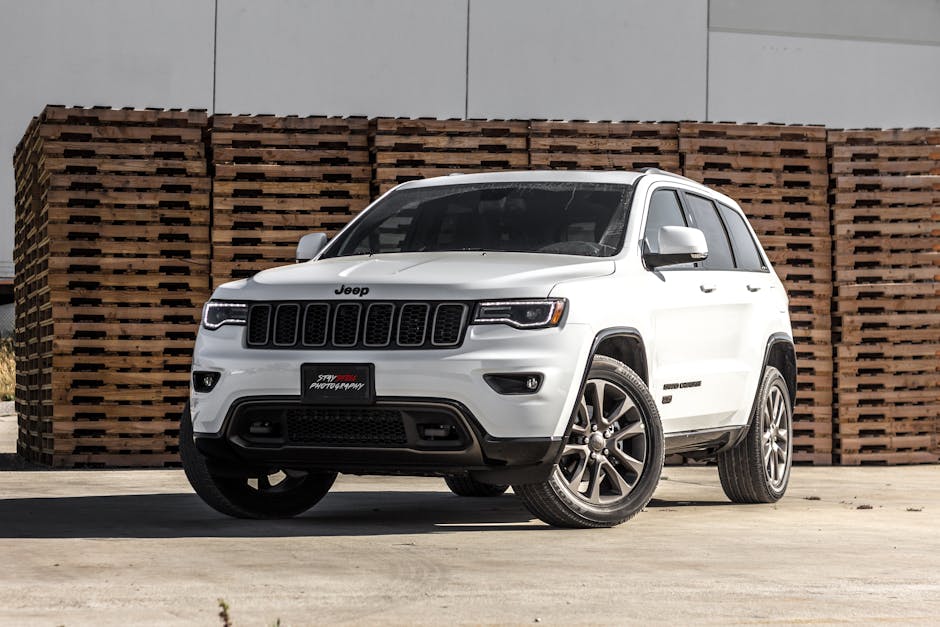
Five years and 85,000 miles: a hard-won perspective on Jeep Laredo ownership. Right from the start, minor annoyances – electrical gremlins, a hesitant engine sputter, and the dreaded check engine illumination (a faulty oxygen sensor, naturally) – began to chip away at the initial charm around the 30,000-mile mark. Not catastrophic, mind you, but a stark contrast to the pristine performance of a showroom-fresh ride. It's akin to a finely crafted timepiece requiring periodic regulation; not a complete teardown every few rotations of the Earth.
The 60,000-mile service proved a hefty undertaking. Brake pad replacement (as anticipated), a mandatory transmission fluid exchange, and a deep dive into that persistent idle issue significantly dented my wallet, even after diligent mechanic hunting outside the dealership's exorbitant price structure. This underscores a fundamental truth: post-warranty maintenance costs represent a substantial financial commitment. Forget the sticker price; budget wisely for the long haul. Think of it as provisioning for an extended expedition – prepare for the unpredictable storms.
Then came the gut punch: a front suspension failure at approximately 85,000 miles. No gradual deterioration; a jarring, immediate clunk, immediately altering the Laredo’s handling. Repair costs were staggering, a harsh introduction to the potential for costly system failures. It was like discovering a fissure in what previously seemed a steadfast foundation. At this juncture, I critically assessed the long-term fiscal implications versus the initial allure.
Yet, the Laredo’s 3.6L Pentastar V6 engine consistently impressed over those five years. A tireless workhorse, it reliably delivered power, even under considerable load or navigating challenging terrain. And the all-wheel-drive system? In our frequently brutal winters, it proved indispensable, a true lifesaver on countless occasions. It’s the equivalent of a trusty steed; requiring diligent upkeep, but consistently delivering.
Surprisingly, the interior, though bearing minor scuffs and stains, exhibited commendable resilience. The materials proved durable, far exceeding my initial expectations regarding daily wear and tear. It’s comparable to high-quality furniture: aging gracefully, not crumbling.
Resale value presents a complex equation. While initial depreciation is steep, it plateaus over time. I anticipate a reasonable return on my investment, given the mileage and overall condition. However, it’s far from the lucrative asset it initially appeared to be.
Five years wrestling with a Grand Cherokee Laredo—a grueling, hands-on education in the realities of long-term vehicle stewardship. The most salient lesson? Realistic expectations are paramount. Forget the investment mindset often touted for new cars, especially lumbering SUVs; these are depreciating assets, pure and simple. Picture this: unboxing a gleaming, new bicycle, anticipating effortless glides, only to confront the inevitable need for chain lubrication. That's the lifespan of a vehicle, in a nutshell – aging and wear are unavoidable.
Prepare for the inevitable, however: meticulous upkeep is non-negotiable. Don't just adhere slavishly to the manufacturer's service schedule; proactive maintenance is key. This means religiously monitoring vital fluids, obsessively checking tire inflation, and aggressively addressing even minor glitches before they snowball into ruinous repair bills. Think of it as preventive medicine—small, consistent investments today forestall costly emergency interventions later.
Before you even buy, though, delve into the model's documented quirks. Online communities and independent garages offer invaluable insights beyond the manufacturer's carefully curated pronouncements. This preemptive reconnaissance—a detailed roadmap before embarking on a cross-country drive—alerts you to potential pitfalls, saving time, money, and untold aggravation. This is especially important for used car purchases.
Finally, and this is crucial for any contemplating long-term commitment to a Laredo (or any vehicle, really), accept the cold, hard fact: mechanical gremlins will inevitably emerge, issues never hinted at in glossy brochures. Owning a car means embracing the possibility of wrenching repairs. Be ready; budget accordingly. Understanding car maintenance costs is crucial for responsible ownership.


